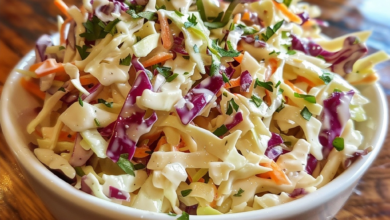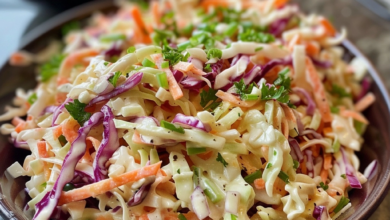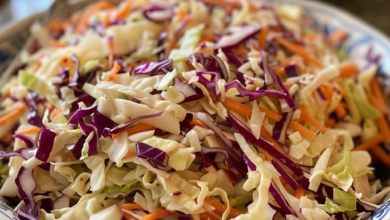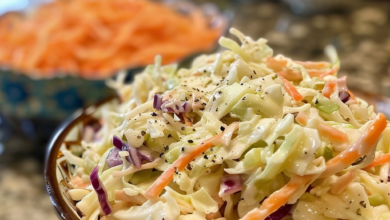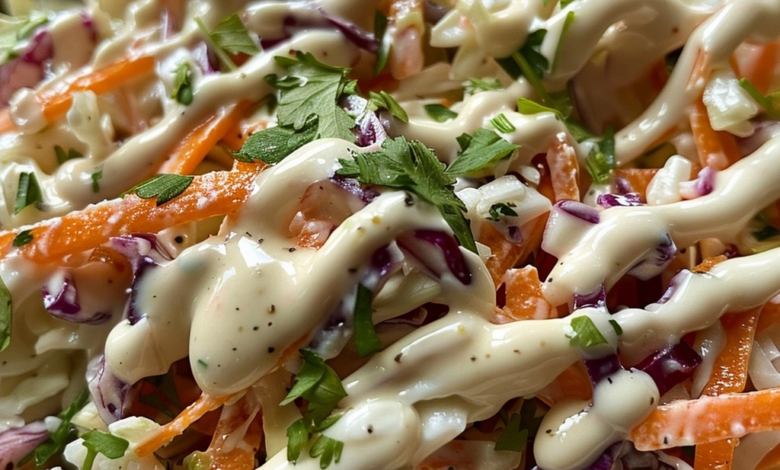
Coleslaw dressing is the creamy or tangy condiment that brings coleslaws to life with bold flavor and texture. Made from mayonnaise, vinegar, oil, and seasonings, it complements the crisp vegetables in the salad while balancing acidity with richness. This guide explores the best ways to make and use coleslaw dressing at home.
| Preparation | 15 minutes |
|---|---|
| Cooking | 0 minutes |
| Total Time | 15 minutes |
| Servings | 6 to 8 |
| Difficulty | Easy |
| Cuisine | International, American |
Why This Recipe Works
My coleslaw dressing recipe is balanced, versatile, and built to enhance—not overpower—fresh vegetables. Compared to many store-bought versions, it avoids excess sugar or artificial additives, using only real ingredients like buttermilk, Dijon mustard, and garlic for a zesty kick. The base is creamy but not overly heavy, allowing the crunch of the cabbage and carrots to shine through.
What sets this version apart is the use of buttermilk. It gives the dressing a tangy depth while avoiding the heaviness of full-fat mayonnaise. The acid from the cider vinegar cuts through the richness and lifts the overall flavor profile. This dressing stands out for its simplicity and bold, refreshing taste.
Ingredients
| Ingredient | Quantity | Notes / Alternatives |
|---|---|---|
| Mayonnaise | 1 cup | Light or full-fat; vegan mayo for dietary needs |
| Buttermilk | 1/2 cup | Full milk or Greek yogurt may substitute, but texture will vary |
| Cider Vinegar | 2 tbsp | White vinegar or apple juice for milder flavor |
| Dijon Mustard | 1 tbsp | Yellow mustard if Dijon is unavailable |
| Granulated Sugar | 1 tbsp | Omit for a tangy, less-sweet option |
| Garlic, minced | 1 tsp | Use more or less to taste |
| Salt | 1 tsp | Adjust based on other salty ingredients in your meal |
| Black Pepper | To taste | Freshly ground is best |
| Carrots, grated | 1 | Add or subtract based on texture preference |
Step-by-Step Instructions
1. Prepare the Base
- In a medium mixing bowl, add the mayonnaise and buttermilk. Whisk until smooth.
- Stir in the cider vinegar and Dijon mustard to blend the tangy elements.
2. Add the Seasonings
- Add the sugar, minced garlic, salt, and freshly ground black pepper. Mix well.
- Taste and adjust the seasoning as needed, especially the salt level for balance.
3. Incorporate Textures
- Stir in the grated carrots for extra crunch, if desired. These are optional for texture.
- Place the dressing in the refrigerator to cool and allow flavors to meld for at least 1 hour.
Chef Tips for Perfect Results
- Salt in stages to avoid over-seasoning. Add half, taste, and adjust the rest as needed.
- Use room-temperature mayonnaise for smoother mixing and to avoid lumps in the dressing.
- Add lemon juice in place of vinegar for a brighter, fresher tang with a milder acidity.
- Mix in a little olive oil to increase creaminess and enhance flavor richness.
- Chill the dressing for at least 30 minutes before serving to allow the flavors to fully develop.
Common Mistakes to Avoid
- Over-mixing ingredients can thin out the dressing or create a greasy texture. Add gradually and blend gently.
- Not balancing the acid. Too much vinegar or lemon juice can make the taste harsh. Use sparingly and adjust to taste.
- Adding the sugar before cooling can reduce its effect. Taste after chilling for flavor adjustments.
- Using cold mayonnaise from the fridge can clump. Bring it to room temperature before mixing to ensure smooth texture.
- Skipping the chilling step results in a flat, underdeveloped flavor. Always set aside time to refrigerate.
Variations and Substitutions
| Ingredient | Substitution | Impact on Flavor |
|---|---|---|
| Mayonnaise | Vegan mayonnaise or Greek yogurt | Yogurt adds a tang, while vegan mayo adds a neutral base. |
| Cider Vinegar | Apple juice or white vinegar | Apple juice mutes the tanginess; vinegar remains more acidic. |
| Buttermilk | Plain yogurt or whole milk | Yogurt adds tang, while milk results in a lighter, creamer texture. |
| Carrots | Chopped celery or red bell pepper | Changes the texture and adds a fresh, slightly sweet element. |
| Granulated Sugar | Peach puree or honey | Offers a natural sweetness and a subtle fruitiness. |
Serving Suggestions and Pairings
Coleslaw dressing is perfect with a variety of dishes and makes a great side. Consider pairing with:
- Baked chicken, barbecue, or fried fish (such as catfish or tilapia) for a refreshing crunch.
- Barbecue sandwiches, especially grilled beef or turkey burgers.
- Fish tacos, where the dressing adds a creamy and tangy balance.
- As a side dish at picnics, backyard barbecues, or summer gatherings.
- With root vegetable salads or grain-based salads for more texture and depth.
Storage and Reheating
| Method | Duration | Instructions |
|---|---|---|
| Refrigeration | Up to 4 days | Store in an airtight container and keep refrigerated at all times. |
| Freezing | Up to 2 months | Freeze in a sealed container; dressing may separate upon thawing. Stir well before use. |
| Room temperature | Up to 2 hours | Keep refrigerated until serving and do not leave out for prolonged periods. |
Nutritional Information
| Nutrient | Amount per Serving |
|---|---|
| Calories | 150 kcal |
| Protein | 1 g |
| Fat | 13 g |
| Carbohydrates | 6 g |
| Fiber | 0.5 g |
| Sugar | 1 g |
| Sodium | 200 mg |
Frequently Asked Questions
Can I use oil instead of mayonnaise in coleslaw dressing?
Yes, but it will change the texture to something lighter and oiler. It won’t be as creamy as mayonnaise-based dressings.
What is the best vinegar to use in coleslaw dressing?
Cider vinegar is the best balance—tangy yet not overpowering. Apple cider or white vinegar also work well but with a slightly different flavor profile.
How long should I refrigerate the dressing before serving?
At least 30 minutes, but ideally 1 hour, to let the flavors fully develop for best taste.
Can I make coleslaw dressing in a food processor or blender?
Absolutely. Using a food processor gives it a smoother texture, perfect if you prefer less chunky dressing.
How do I store leftovers, and how long do they last in the fridge?
Store leftovers in an airtight container in the refrigerator for up to 4 days. Ensure the container is sealed and cool before storage.
Conclusion
Coleslaw dressing is the backbone of a great coleslaw, and this recipe provides the perfect balance of acidity, richness, and flavor. With easy substitutions and endless pairing options, it’s a versatile addition to your kitchen repertoire. Use this dressing to elevate your salads, or take it along to picnics and barbecues. Make this coleslaw dressing and savor the difference of homemade flavors with every crunch.
Print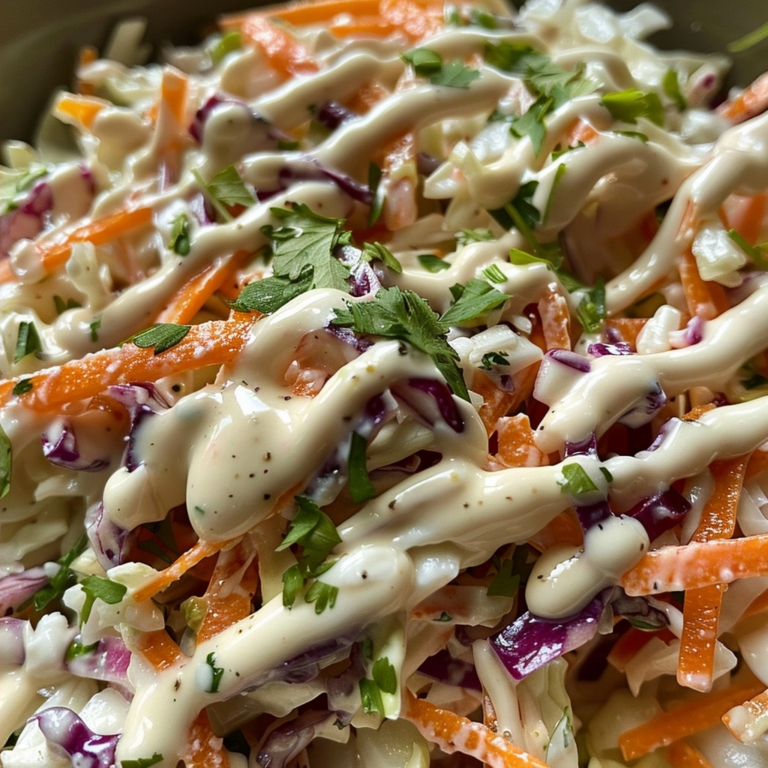
Coleslaw Dressing: The Ultimate Guide
A balanced, zesty coleslaw dressing made with mayonnaise, buttermilk, cider vinegar, and Dijon mustard. This creamy yet tangy sauce enhances fresh cabbage and vegetables with a refreshing flavor profile.
- Total Time: 15
- Yield: 6 to 8 servings
Ingredients
Mayonnaise, 1 cup
Buttermilk, 1/2 cup
Cider vinegar, 2 tbsp
Dijon mustard, 1 tbsp
Granulated sugar, 1 tbsp
Garlic (minced), 1 tsp
Salt, 1 tsp
Black pepper (freshly ground), to taste
Carrots (grated), 1
Instructions
In a medium mixing bowl, add the mayonnaise and buttermilk. Whisk until smooth.
Stir in the cider vinegar and Dijon mustard to blend the tangy elements.
Add granulated sugar and minced garlic. Mix thoroughly.
Season with salt and freshly ground black pepper according to taste.
Fold in grated carrots if desired to add texture.
Notes
Use vegan mayo or Greek yogurt for a lighter alternative.
Replace cider vinegar with white vinegar or apple juice for a milder flavor.
Omit sugar for a tangy, less-sweet dressing.
Adjust liquid consistency with a splash of water if needed.
- Prep Time: 15
- Category: Dinner
- Method: Mixing
- Cuisine: International/American
- Diet: Vegetarian
Nutrition
- Serving Size: 1 tablespoon
- Calories: 225
- Sugar: 1.9g
- Sodium: 250mg
- Fat: 4g
- Saturated Fat: 1g
- Carbohydrates: 2g
- Fiber: 0g
- Protein: 0.4g
- Cholesterol: 3g